
Psoriasis: Understanding the Condition — and How to Take Control
Psoriasis is a chronic skin condition that speeds up the way your body makes skin cells. Instead of renewing every few weeks, your skin starts turning over every few days — and that buildup causes thick, scaly patches to form on the surface.
It’s not contagious. But it can be persistent, uncomfortable, and sometimes painful. At Decatur Dermatology & Aesthetics, we’re here to help you manage flare-ups, reduce symptoms, and protect your long-term health.
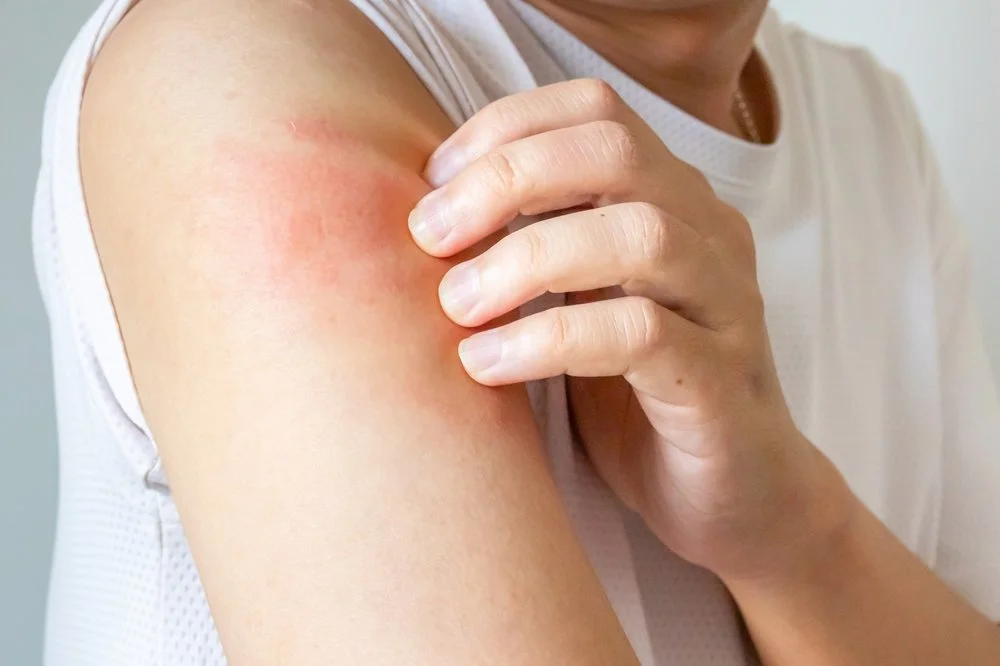
What Does Psoriasis Look Like?
The most common type — affecting up to 90% of people with psoriasis — is called plaque psoriasis. It shows up as raised patches of skin (called plaques) with a dry, silvery-white scale. These patches can be:
Small or large
Isolated or joined together
Itchy, painful, or tight-feeling
You’ll often see plaques on:
Elbows
Knees
Lower back
Scalp
But they can appear anywhere on the body.
Without treatment, the itching can become intense. Some people describe stinging, burning, or cracking of the skin. And like many visible skin conditions, psoriasis can also take an emotional toll — affecting confidence, sleep, and quality of life.
What Does Psoriasis Look Like?
The most common type — affecting up to 90% of people with psoriasis — is called plaque psoriasis. It shows up as raised patches of skin (called plaques) with a dry, silvery-white scale. These patches can be:
Small or large
Isolated or joined together
Itchy, painful, or tight-feeling
You’ll often see plaques on:
Elbows
Knees
Lower back
Scalp
But they can appear anywhere on the body.
Without treatment, the itching can become intense. Some people describe stinging, burning, or cracking of the skin. And like many visible skin conditions, psoriasis can also take an emotional toll — affecting confidence, sleep, and quality of life.
How We Help You Take Control
Managing psoriasis isn’t about a one-size-fits-all solution. It’s about finding the plan that works for you — and adjusting it as your skin, lifestyle, or stress levels change. At Decatur Dermatology & Aesthetics, we help you:
Identify and avoid personal triggers (like stress, illness, or weather changes)
Develop a gentle, psoriasis-friendly skincare routine
Stay on top of your overall health — because psoriasis is linked to other conditions like psoriatic arthritis, diabetes, and heart disease
Use safe, effective treatment — from topical creams to advanced biologics