
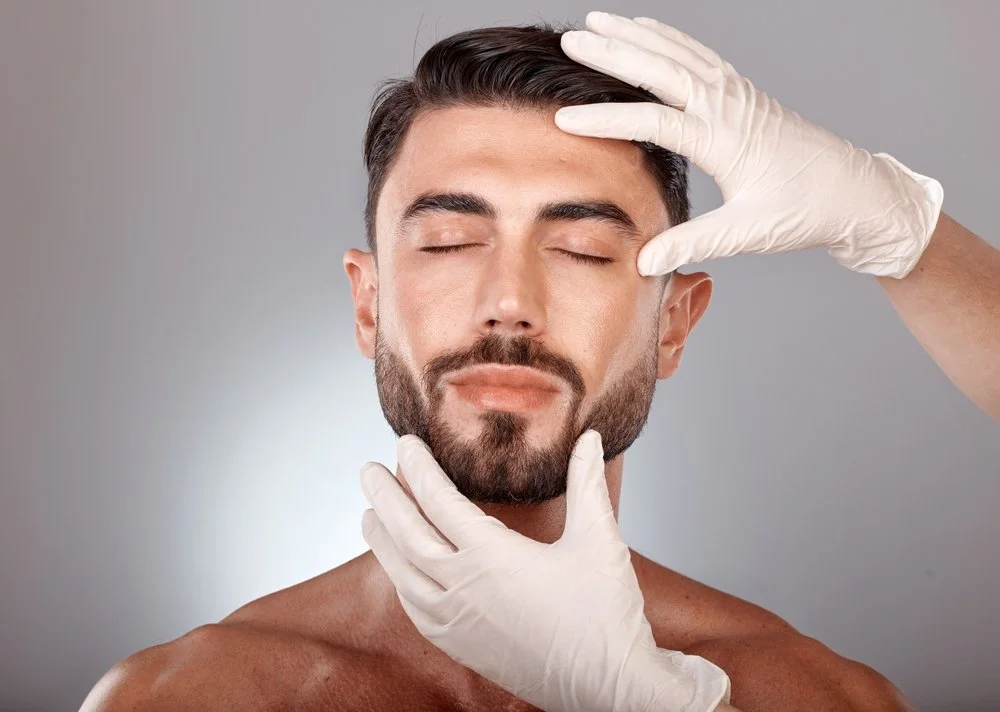
Supporting Your Skin’s Collagen: Sculptra®
Gradual renewal. Thoughtful care. Naturally you.
Sculptra helps stimulate collagen production to gradually improve volume loss along with facial wrinkles and support your skin’s structure. At Decatur Dermatology & Aesthetics, we start with understanding your face and your goals, then build a treatment plan with care and restraint.
Understanding Sculptra
Collagen helps give skin its structure and firmness. As collagen decreases with age, changes in facial fullness and skin support can become more noticeable.
Sculptra is an injectable treatment containing poly-L-lactic acid, or PLLA. It encourages your body to produce collagen over time.
Unlike treatments designed to provide immediate fullness, Sculptra works gradually. It is an option for people comfortable with a series of treatments and results that develop over several months.
Typical Treatment Areas for Sculptra
Sculptra is FDA-approved to improve certain facial wrinkles and folds, including:
Fine lines and wrinkles in the cheeks.
Nasolabial folds—the lines running from the sides of the nose toward the corners of the mouth.
Other facial wrinkles, including marionette lines and chin wrinkles.
Dr. Baender will assess your skin, facial structure, and areas of concern to determine whether Sculptra is appropriate.
Sculptra is not used to enhance the lips or treat the area immediately around the eyes.
Results and Longevity
Gradual improvement: results may become noticeable as early as one month and continue developing over time.
Treatment series: many people need two to three sessions over several months.
Duration: results may last up to two years. Individual results vary.
Appearance: the goal is a refreshed appearance that remains balanced with your features.
We’ll discuss the expected timeline, reassess your response between visits, and plan maintenance around your needs.
What to Expect During Your Treatment Visit
Your visit begins with a discussion of your goals, medical history, and previous aesthetic treatments. Dr. Baender will assess your face and explain the proposed treatment areas.
Sculptra is injected beneath the skin in carefully selected locations. We’ll discuss comfort measures and what you may feel during treatment.
Temporary swelling, tenderness, redness, or bruising can occur. The fullness you notice immediately afterward may reflect swelling and the fluid used to prepare Sculptra; it does not represent your final result.
Before you leave, we’ll explain aftercare, including massage instructions, and when to contact us with concerns.
Cost and Insurance
Sculptra treatment for cosmetic concerns is generally not covered by insurance.
Your cost depends on the amount of product needed and the number of treatment sessions recommended. We’ll review the anticipated treatment series and cost before you decide to proceed. Payment is made in the office.
Our Approach to Aesthetic Care
Aesthetic care should feel thoughtful, personal, and comfortable.
At Decatur Dermatology & Aesthetics, board-certified dermatologist Dr. Kelli Baender brings her understanding of skin health and facial anatomy to every treatment plan. We take time to listen, explain your options, and help you decide what fits your goals.
Whether you’re ready for treatment or simply exploring, we’re happy to talk it through
Frequently Asked Questions
-
Restylane treatments use hyaluronic acid gel to immediately add fullness or address specific contours. Sculptra stimulates collagen production, with improvement developing gradually.
The best choice depends on your concerns, the area being treated, and your preferred timeline.
-
Dysport temporarily relaxes selected muscles to soften expression lines. Sculptra addresses volume loss along with certain wrinkles and folds by supporting collagen production.
They serve different purposes and may be considered within the same overall treatment plan.
-
You may notice temporary fullness after your appointment, but this often subsides as swelling and the treatment fluid settle. Sculptra’s intended improvement develops gradually.
-
You may feel pinching or pressure during the injections. Tell us if you’re concerned about discomfort so we can discuss ways to make your visit more comfortable.
-
Many people resume daily activities after treatment, although swelling or bruising may be visible. Consider this when planning around work, physically demanding activities, or social events, and follow the aftercare instructions provided at your visit.
-
Usually, yes. Common guidance is to massage for five minutes, five times a day, for five days. Follow Dr. Baender’s specific instructions for your treatment.
-
Possible side effects include swelling, bruising, redness, tenderness, itching, and lumps. Some lumps can develop later and persist.
Rare but serious complications from injection into a blood vessel include skin damage, vision loss, or stroke. Seek immediate medical attention for vision changes, stroke symptoms, or unusual severe pain during or after treatment.
We’ll review benefits, risks, and alternatives before you decide.
-
Sculptra should not be used by people with allergies to its ingredients, a history of anaphylaxis or multiple severe allergies, or a tendency to develop keloids or raised scars.
Treatment should be postponed where there is active skin inflammation or infection. Safety has not been established during pregnancy or breastfeeding, or in people under 18.
Tell us about your medical conditions, medications, allergies—including lidocaine—and previous treatments.
-
Sculptra cannot be dissolved with the enzyme used to reverse hyaluronic acid fillers. This makes careful selection, planning, and gradual treatment especially important.
-
No. A cosmetic consultation is a place to start if you’re unsure. Bring your questions and tell us what you’d like to improve. We’ll explain the options without pressure to proceed.