
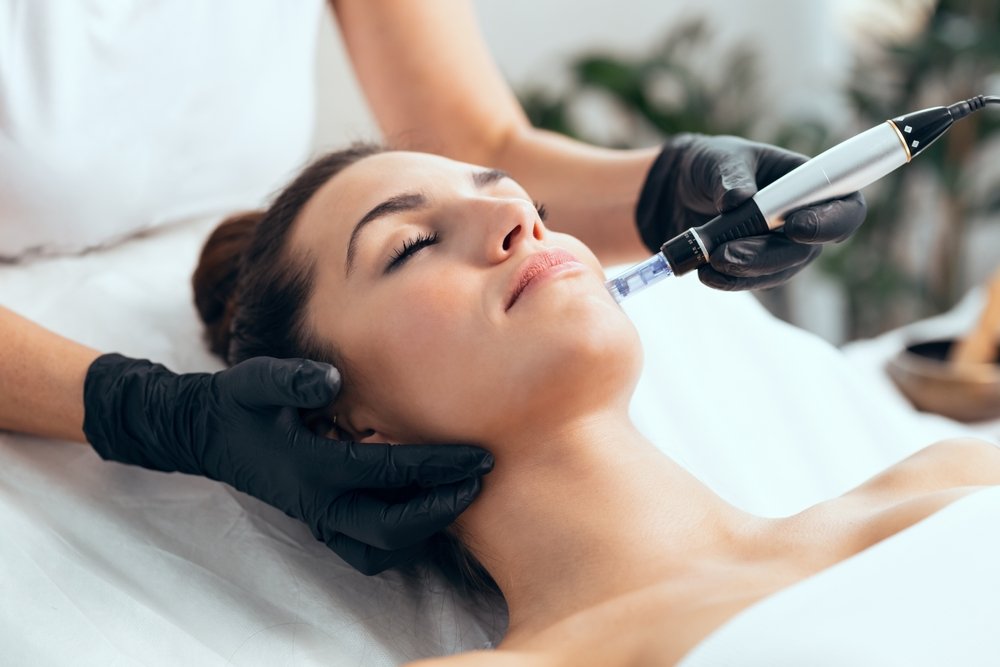
Renewing Skin Texture: Microneedling
Smoother texture. Thoughtful renewal. Naturally you.
Microneedling encourages your skin’s repair process to improve the appearance of scars, fine lines, and uneven texture over time. At Decatur Dermatology & Aesthetics, treatment is performed under physician oversight and tailored to your skin and your goals.
Understanding Microneedling
Microneedling uses fine needles to create small, controlled punctures in the skin. As the skin heals, this process encourages collagen production and remodeling.
The goal is gradual improvement in skin texture and the appearance of selected scars and wrinkles. A series of treatments is often recommended.
Typical Concerns Addressed With Microneedling
Microneedling may help improve the appearance of:
Acne scars, particularly certain depressed scars.
Fine lines and wrinkles.
Uneven skin texture.
Selected other scars and stretch marks.
Different concerns require different approaches. Dr. Baender will assess your skin and explain whether microneedling is appropriate or another treatment would better meet your needs.
Results and Maintenance
Gradual improvement: changes develop over the weeks and months following treatment.
Treatment series: several sessions are recommended, with time between visits for healing.
Individual response: results depend on your skin, the concern being treated, and the treatment plan.
Maintenance: additional visits may help maintain improvements in skin appearance.
Microneedling can soften the appearance of scars, but it does not erase them. We’ll discuss realistic expectations before you begin.
What to Expect During Your Treatment Visit
Your visit begins with a review of your concerns, medical history, skincare routine, and previous treatments.
After cleansing, topical numbing is typically applied to help reduce discomfort. A professional microneedling device is then passed over the selected areas, with settings adjusted to the treatment plan.
Your skin may look red and feel warm, tight, or sensitive afterward. Mild swelling, pinpoint bleeding, dryness, or flaking can also occur. Recovery varies with the treatment depth and your individual response.
Before you leave, we’ll explain how to care for your skin, which products to pause, and when to resume makeup and your usual activities.
Cost and Insurance
Microneedling for cosmetic concerns is generally not covered by insurance.
Your cost depends on the areas treated and the number of sessions recommended. We’ll review the proposed treatment plan and cost before you decide to proceed. Payment is made in the office at time of service.
Our Approach to Aesthetic Care
Aesthetic care should feel thoughtful, personal, and comfortable.
At Decatur Dermatology & Aesthetics, board-certified dermatologist Dr. Kelli Baender brings her understanding of skin health to every treatment plan. We take time to listen, explain your options, and help you decide what fits your goals.
Whether you’re ready for treatment or simply exploring, we’re happy to talk it through.
Frequently Asked Questions
-
That depends on your skin and the concern being treated. Acne scars may require a different plan from fine lines or general texture concerns.
We’ll recommend a starting series and reassess your response before planning additional sessions.
-
Topical numbing helps reduce discomfort, although you may still feel prickling, pressure, or sensitivity. Tell us if you’re uncomfortable so we can respond during treatment.
-
It may improve certain depressed acne scars by encouraging collagen remodeling. It does not suit every scar type, and some scars benefit from a combination of approaches.
Active inflammatory acne generally needs to be addressed before treating the scars it leaves behind.
-
Plan for some visible redness and sensitivity. These often improve over several days, although recovery can take longer.
We’ll discuss timing around work, exercise, and social events based on your treatment plan.
-
Microneedling may be an option for darker skin tones, but pigment changes can occur after treatment.
We’ll assess your skin, history of dark marks after irritation, and other risk factors before recommending a plan.
-
Common effects include redness, tenderness, dryness, peeling, swelling, bruising, and minor bleeding.
Less common complications include infection, cold-sore flare-ups, pigment changes, and scarring. Contact us if you develop increasing pain, spreading redness, drainage, or other unexpected symptoms.
We’ll review benefits, risks, and alternatives before treatment.
-
Treatment may need to be postponed if you have active acne, an infection, open wounds, or an inflammatory skin flare in the area.
Tell us about a history of cold sores, raised scars or keloids, bleeding problems, impaired healing, and all medications—including isotretinoin and blood thinners. Also tell us if you are pregnant or breastfeeding.
Your medical history and the device used help determine whether treatment is appropriate.
-
Follow the individual instructions provided at your visit. These generally include gentle skincare, sun protection, and temporarily avoiding potentially irritating products.
We’ll explain when to restart retinoids, exfoliating acids, makeup, and other parts of your routine.
-
Professional treatment allows controlled depth and technique, with clinical assessment and appropriate infection precautions.
At-home devices are not equivalent to an office treatment and typically lead to inferior results. Moreover, improper use can injure the skin or introduce infection.
-
Microneedling is sometimes combined with PRX Derm Perfexion or PRX-PLUS as part of an individualized treatment plan. We’ll assess whether this approach fits your skin and your goals, explain the benefits and risks, and determine the appropriate timing.
Other aesthetic treatments may also complement microneedling. We’ll help plan the sequence and allow appropriate time for healing.
-
No. A cosmetic consultation is a place to start if you’re unsure. Bring your questions and tell us what you’d like to improve. We’ll explain the options without pressure to proceed.