
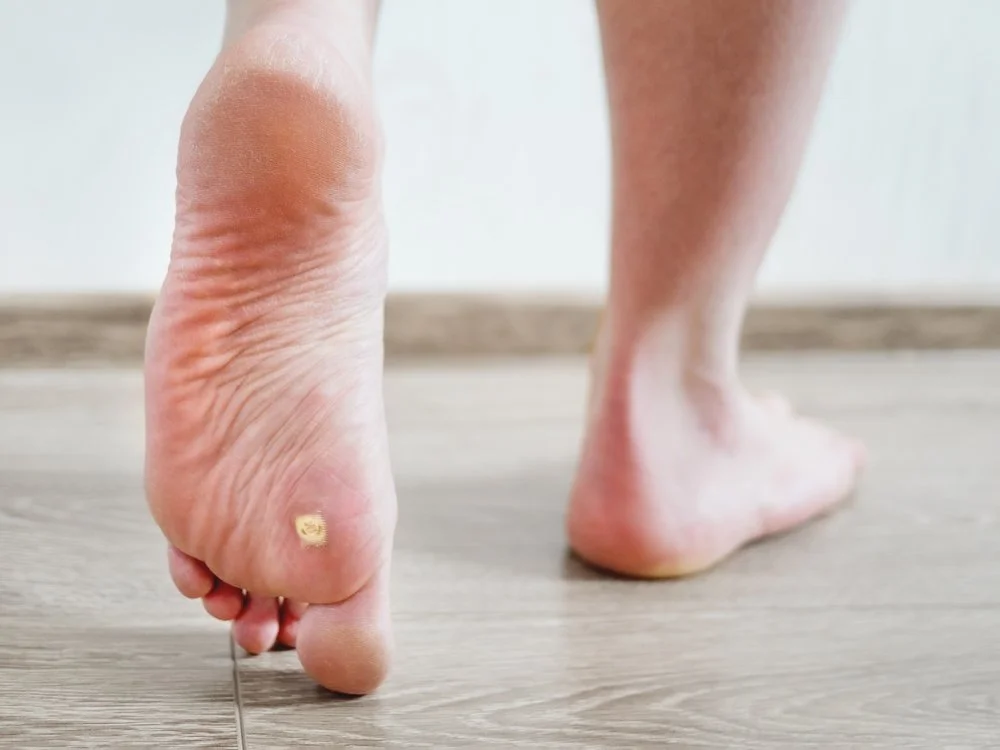
Warts: What to Know — and When to Treat
Warts may be small, but they can be stubborn. Caused by certain strains of the human papillomavirus (HPV), these common skin growths are usually harmless — but they can spread, stick around for months (or even years), and sometimes become uncomfortable or embarrassing.
The good news? You don’t have to wait it out. At Decatur Dermatology & Aesthetics, we know how to treat warts effectively — and help keep them from coming back.
Are Warts Contagious?
Yes. Warts are caused by a contagious virus that can spread to other people — and to other parts of your own body. They’re considered contagious until they’ve fully cleared.
That’s why it’s important to avoid picking at them, sharing towels or razors, or walking barefoot in communal spaces like gym showers or pool decks.
How Long Do Warts Last?
If your immune system is strong, warts often go away on their own — eventually. But “eventually” could mean anything from a few months to a couple of years.
If your immune system is compromised (due to a medical condition or medication), your body might need extra help to clear the virus. That’s where professional treatment comes in.
Can Warts Be Treated?
Absolutely. Warts are very treatable — and dermatologists have a number of in-office tools to remove them safely and effectively.
At Decatur Dermatology & Aesthetics, we often pair in-office treatments with home care to speed up the process. Most warts clear within a few sessions, depending on the type, size, and location.
Got a Black Dot in Your Wart?
It’s not a root — despite the myth. What you’re seeing is a small blood vessel inside the wart, which is completely normal (and not dangerous).
Plantar Warts: Why Do They Hurt So Much?
Warts on the bottom of your feet — known as plantar warts — can feel like you’re walking on tiny pebbles. The pressure of walking pushes them inward, which can become painful over time. These often require professional care to resolve.
Warts in other areas may also hurt if they’re constantly rubbed by clothing or shoes, or if they crack or bleed.
And What’s a Trumpeter’s Wart?
Funny name — but it’s not a wart at all. “Trumpeter’s wart” is actually a callus that forms on the lips of brass musicians due to constant pressure. It’s harmless and usually best left alone.
When to See a Dermatologist for Warts in Decatur, GA
If your wart:
Is painful, growing, or multiplying
Hasn’t responded to over-the-counter treatments
Keeps coming back
Is causing discomfort or self-consciousness
…it’s time to see us. We’ll evaluate your skin, talk through treatment options, and guide you toward clear, comfortable skin again — no guesswork required.
Say goodbye to stubborn warts — and hello to smooth, healthy skin.