
Acne: What It Is — and How We Can Help You Clear It
Acne is one of the most common skin concerns we treat at our Decatur dermatology office — and one of the most frustrating. Whether you're dealing with blackheads, whiteheads, painful cysts, or constant breakouts, you're not alone. And more importantly: you don’t have to live with it.
Acne isn’t caused by dirt or poor hygiene, and it’s not contagious. It's a complex skin condition influenced by hormones, inflammation, bacteria, and genetics — and it affects people of all ages, not just teenagers.
The good news? With the right treatment and guidance right here in Decatur, clearer skin is possible — and we’re here to help you get there.
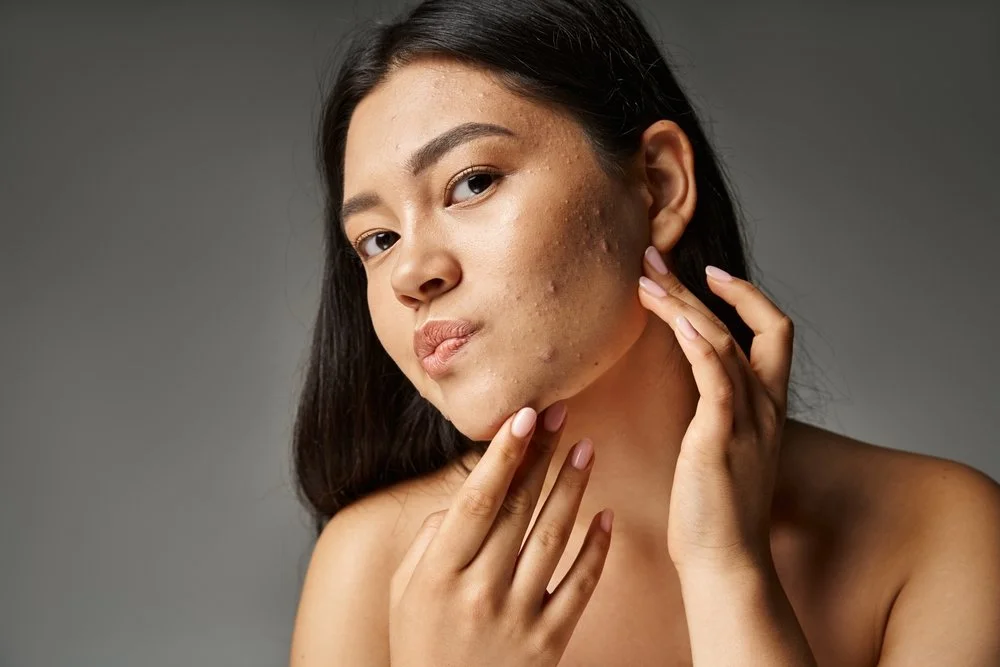
What Does Acne Look Like?
Acne can take different forms, including:
Blackheads (open pores clogged with oil and dead skin)
Whiteheads (closed pores that look like tiny bumps)
Papules and pustules (the classic red pimples or “zits”)
Nodules or cysts (deeper, painful breakouts that can lead to scarring)
You may have just one type — or a mix. Either way, your treatment plan should reflect what your skin is doing.
What Actually Works?
There’s a lot of noise out there — from viral DIY hacks to flashy product promises. But what really works is science-backed care, tailored to your skin.
Here’s what dermatologists — and our team at Decatur Dermatology & Aesthetics — recommend:
1. Choose the Right Ingredients
Different breakouts respond to different treatments:
For clogged pores (blackheads and whiteheads), try ingredients like adapalene or salicylic acid.
For inflammation and deep pimples, prescription treatments may be needed to address bacteria, oil production, and immune response.
If you’re not sure what’s causing your breakouts, we can help you figure it out.
3. Use Oil-Free Products
Clogged pores are at the heart of acne. Using heavy, oily, or pore-blocking products can make things worse.
Look for products labeled:
Oil-free
Non-comedogenic
Won’t clog pores
2. Be Gentle with Your Skin
Scrubbing, picking, or over-washing can make acne worse. A gentle routine is your best defense.
We’ll help you build a skincare plan that supports your skin — not stresses it out.
4. Stick With It
Acne treatment isn’t an overnight fix. It usually takes 6 to 8 weeks to start seeing real results — and sometimes longer to prevent future breakouts. That’s why patience, consistency, and guidance matter.
Why Treat Acne?
Even if acne eventually fades, we recommend treating it early — and here’s why:
It can last for years: Many teens continue breaking out into their 20s or even 30s. Some adults — especially women — continue to deal with acne well into their 40s.
It can get worse: Mild acne can evolve into widespread, painful breakouts. There’s no way to predict when or if this will happen.
It can affect your self-esteem: Acne isn’t just a cosmetic issue. It can impact mental health, confidence, and social life — especially during key developmental years.
It can leave scars: Even surface-level acne can lead to long-term scarring if not properly managed.
When to See a Dermatologist in Decatur, GA
If your breakouts aren’t improving, feel painful, or are starting to affect how you feel about your skin, it’s time to check in. At Decatur Dermatology & Aesthetics, we offer personalized, evidence-based acne care — with solutions that go deeper than the drugstore shelf.
Whether you’re just getting started or feel like you’ve tried everything, we’ll meet you where you are and help you move forward.
Let’s build a plan that actually works — for your skin, your schedule, and your confidence.