
Chemical Peels For Younger Looking Skin
Reveal smoother, brighter, more even-toned skin.
At Decatur Dermatology & Aesthetics, chemical peels are a dermatologist-performed treatment that helps refresh and renew your skin. By gently removing damaged outer layers, chemical peels encourage healthier skin to come to the surface—leaving your complexion smoother, brighter, and more even.
Chemical peels can be customized for a wide range of skin concerns and skin types, whether you’re looking for a subtle refresh or more noticeable improvement.
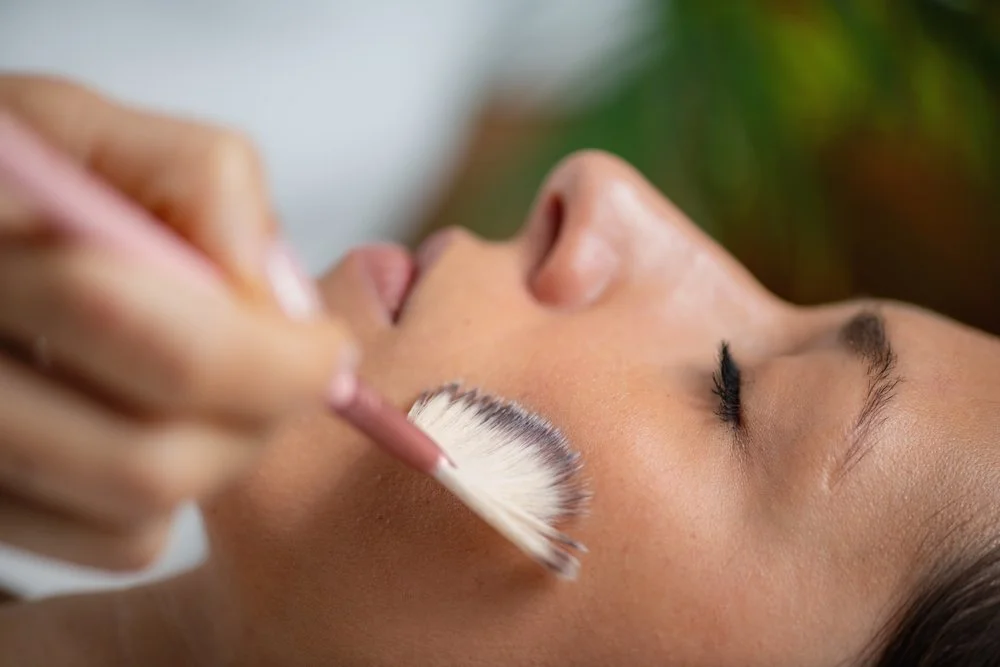
What Is a Chemical Peel?
A chemical peel uses a medical-grade solution to exfoliate the skin in a controlled way. As the treated skin peels away, new, healthier skin replaces it.
Chemical peels are most commonly performed on the face, but they can also be used on the neck, chest, or hands to address signs of sun damage or aging.
What We Treat with Chemical Peels
Fine lines (especially around the eyes and mouth)
Uneven tone or blotchy discoloration
Melasma and hyperpigmentation
Acne (select types)
Sun damage
Dull or rough-feeling skin
Freckles and age spots
Types of Chemical Peels
Chemical peels vary in strength and depth. During your consultation, we’ll recommend the option that’s right for your skin.
Superficial Peels
Gently exfoliate the top layer of skin
Minimal downtime
Ideal for brightening and mild texture concerns
Medium Peels
Reach deeper layers of skin
Improve moderate discoloration, fine lines, and sun damage
Require several days of recovery
Deeper Peels
Offer more dramatic results
Require significant downtime and careful aftercare
Only recommended for select patients
Where Peels Are Used
Chemical peels aren’t just for your face — they’re also effective on the neck, chest, and hands, where signs of aging and sun exposure often show up first.
Preparing for Your Chemical Peel
To ensure safe treatment and the best possible results, we’ll guide you through preparation ahead of time. This may include:
Reviewing your medical history and medications
Adjusting certain skincare products before treatment
Avoiding tanning or excessive sun exposure
Letting us know if you have a history of cold sores or scarring
Preparation is individualized—your dermatologist will give you clear instructions before your appointment.
What to Expect After a Chemical Peel
After your peel, it’s normal for the skin to:
Appear red or feel tight
Peel or flake over several days
Be more sensitive to sunlight
Healing time depends on the depth of the peel. Sun protection and gentle skincare are essential while your skin heals.
Cost and Coverage
Chemical peels are considered cosmetic treatments, so they are not covered by insurance. Our Decatur chemical peel experts will walk you through pricing and options during your consultation.
Curious if a peel is right for your skin?
Schedule a consultation with our team »
We’ll help you choose the right treatment — and get you one step closer to clearer, brighter, more confident skin.
Frequently Asked Questions: Chemical Peels in Decatur, GA
-
You may feel tingling, warmth, or mild stinging during the peel. Most patients tolerate the procedure well. Any discomfort is temporary.
-
Recovery depends on the type of peel:
Superficial peels: a few days of mild redness or flaking
Medium peels: about 1–2 weeks of peeling and redness
Deeper peels: longer healing time and more downtime
We’ll discuss recovery expectations before your treatment.
-
Many patients notice brighter, smoother skin once peeling subsides. Some concerns—like discoloration or acne—often improve gradually over a series of treatments.
-
Results vary depending on the type of peel, your skin concerns, and how well you protect your skin from the sun. Ongoing skincare and sunscreen help maintain results.
-
Chemical peels can be safe for many skin tones when performed by an experienced dermatologist. The type and strength of peel must be chosen carefully to reduce the risk of discoloration.
-
Yes. Chemical peels are often combined with medical skincare, microneedling, or other cosmetic treatments as part of a personalized plan.
-
Chemical peels are considered cosmetic procedures and are not typically covered by insurance.
-
Chemical peels can be a great option for patients looking to refresh their skin safely and effectively—but they’re not one-size-fits-all. A consultation with a board-certified dermatologist is the best way to decide what’s right for your skin.