
Skin Cancer: What to Look For — And When to Act
Skin cancer is the most common form of cancer in the U.S., and it shows up in many different ways. Some types grow slowly and are easy to treat. Others can spread quickly and need urgent care.
At Decatur Dermatology & Aesthetics, we’re here to help you spot the signs early, understand what’s happening, and make informed decisions about your care.
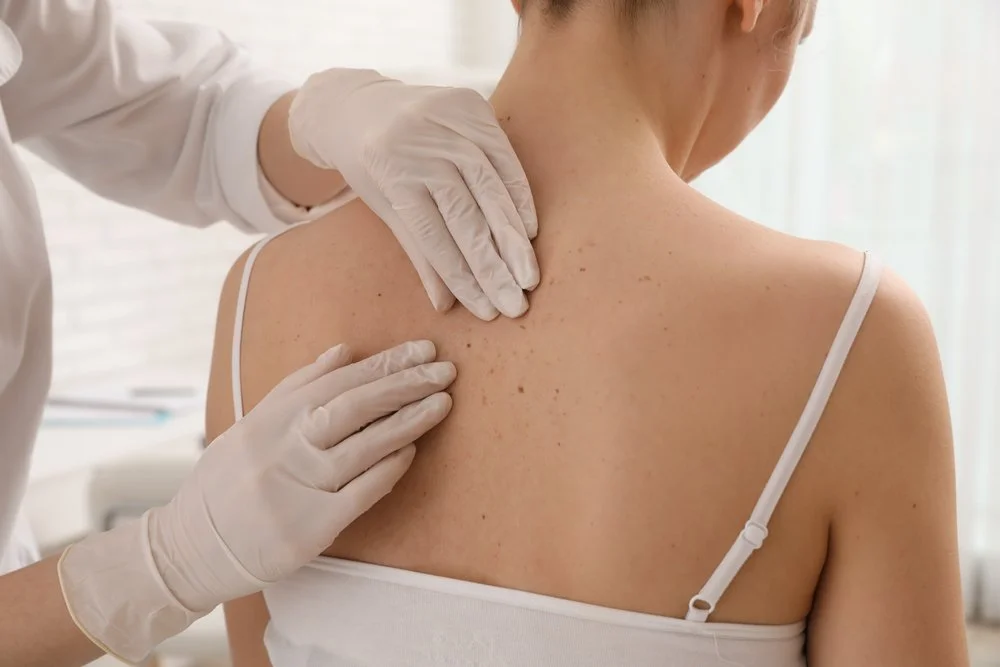
What is Skin Cancer?
Skin cancer develops when abnormal skin cells start to grow out of control. The type of skin cancer you have depends on where those cells begin. The most common types include the following:
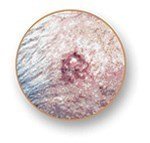
Basal Cell Carcinoma (BCC)
The most common — and often the easiest to treat.
What it looks like: A flesh-colored or pearly bump, or a pink patch of skin that doesn’t go away.
Where it shows up: Common on the face, neck, scalp, arms — anywhere with lots of sun exposure over time.
Who gets it: Mostly people with fair skin, but it can affect anyone.
Why it matters: Left untreated, BCC can grow deep, damaging nerves, tissue, and even bone.
The good news: With early diagnosis and proper treatment, BCC is highly curable.
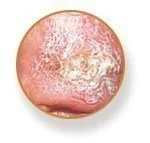
Squamous Cell Carcinoma (SCC)
The second most common skin cancer — but more aggressive than BCC.
What it looks like: A firm red bump, a scaly patch, or a sore that heals and comes back.
Where it shows up: Ears, face, neck, chest, back, arms — areas that see a lot of sun.
Who gets it: More common in people with lighter skin, but seen in all skin tones.
Why it matters: SCC can grow deeper than you think — and in some cases, it can spread to other parts of the body.
Why timing matters: Early treatment makes a big difference in outcomes.
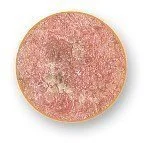
Actinic Keratoses (AKs)
Not cancer — but a warning sign.
What they look like: Dry, rough, scaly spots that don’t heal.
Where they show up: Usually on the scalp, face, neck, forearms, or hands.
Who gets them: Most often people with fair skin and a history of sun exposure.
Why they matter: AKs are considered precancerous. Left untreated, they can turn into squamous cell carcinoma.
Why we treat them: Early, simple treatments can stop them from progressing
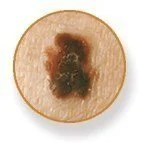
Melanoma
The most dangerous form of skin cancer.
What it looks like: A changing mole, or a new dark spot that looks different from the others.
Where it shows up: Anywhere — not just sun-exposed areas.
Who gets it: Anyone, regardless of skin tone or age.
Why it matters: Melanoma can spread quickly to other parts of the body.
Know the signs: Learn the ABCDEs of melanoma — Asymmetry, Border, Color, Diameter, Evolving.
Take action: Catching melanoma early saves lives.
Other Rare Types of Skin Cancer
While less common, skin cancers like Merkel cell carcinoma, sebaceous carcinoma, and dermatofibrosarcoma protuberans (DFSP) do occur. If something on your skin seems unusual or just doesn’t feel right — we’re here to take a closer look.
Why Early Detection Matters
We make skin checks simple and thorough.
Skin cancer is one of the most treatable cancers — when it’s found early. That’s why routine skin checks are so important, especially if you:
Spend a lot of time in the sun
Have a history of tanning
Notice a spot that’s changing, itching, bleeding, or just won’t heal
If something’s been on your mind — or on your skin — let’s take a look together.